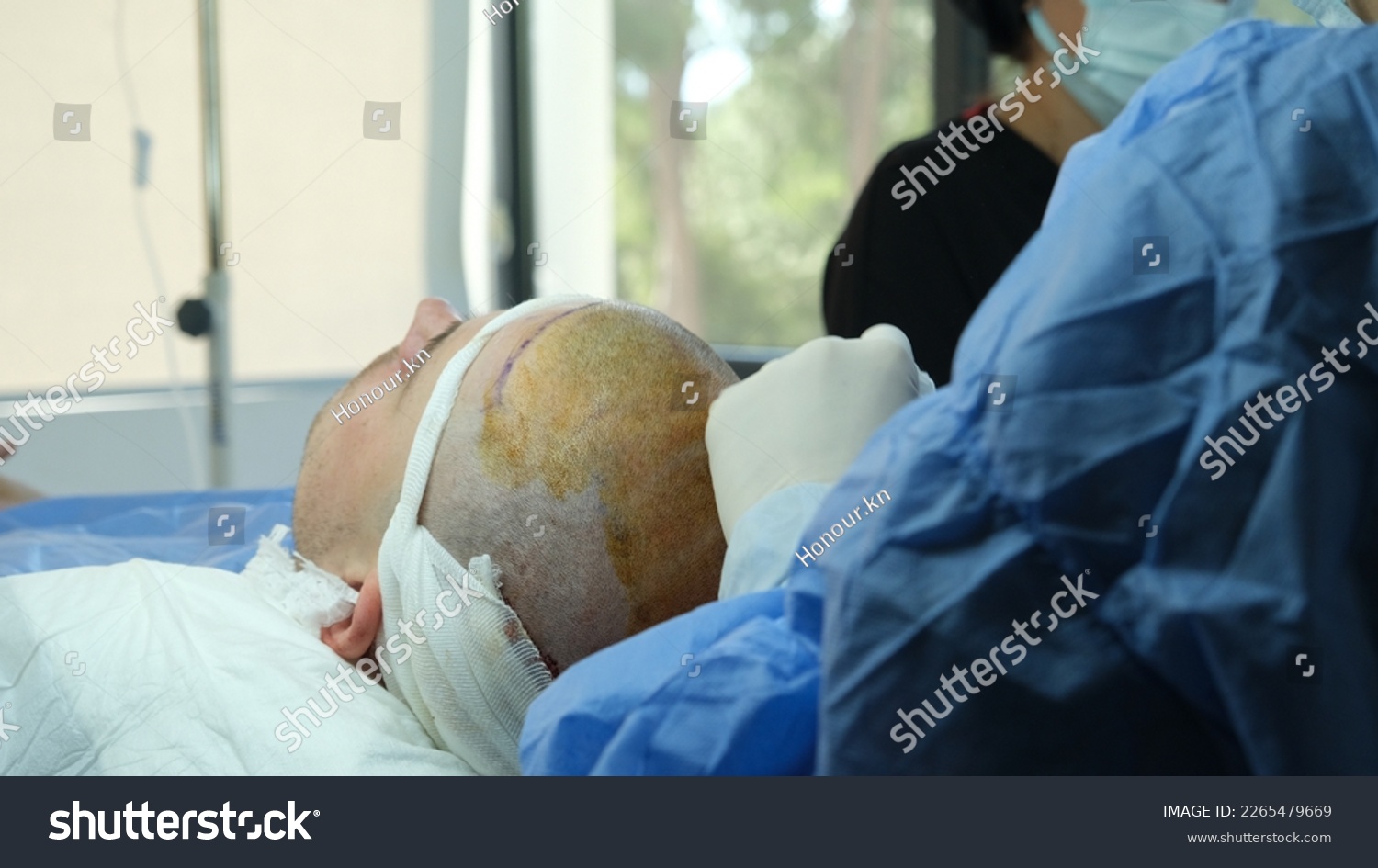
Turkey has become a popular destination for hair transplantation using DHI pens due to advanced technological advancements and the high expertise of doctors and medical facilities available in the country.
Turkey offers multiple treatment options for patients and has a good reputation in the field of hair transplantation.
Hospitals and medical centers in Turkey utilize modern and advanced techniques, including hair transplantation using DHI pens, and provide high-quality medical services to patients from around the world.
Turkey has specialized medical teams with extensive experience in hair transplantation, and comprehensive care is provided to patients during and after the procedure.
In this article, we will discuss everything you need to know about hair transplantation using DHI pens in Turkey, highlighting the advantages of this technique, the associated recovery and healing period, and all relevant information about the technology.
Advantages of DHI Hair Transplantation:
1. Precision of transplantation: DHI pen technology allows for the transplantation of natural hair follicles on the scalp using fine needles that resemble pens. The needles are carefully inserted into the scalp for even and precise hair transplantation, allowing complete control over the angle and depth of transplantation, thus achieving natural and consistent results.
2. Permanent results: Hair transplantation using DHI pens is an effective method to achieve permanent results. Once natural hair is transplanted in the targeted areas, the hair continues to grow naturally and permanently, allowing individuals to enjoy dense and healthy hair for a long period.
3. Non-surgical and painless: DHI hair transplantation is considered a non-surgical method that does not require a major surgical procedure. Additionally, the procedure does not cause severe pain or leave troublesome side effects. Patients may experience some mild discomfort during the procedure, but it is usually tolerable. Moreover, the recovery period after the procedure is short, allowing patients to quickly return to their normal lives.
4. Advanced technology: In Turkey, advanced and modern techniques for hair transplantation using DHI pens are available. High-quality and precise DHI pens and needles are used to achieve the best results. Turkish clinics and hospitals utilize modern technology and follow best medical practices to ensure a successful and safe experience for patients.
To learn about stomach Botox in Türkiye: advantages, steps and prices
Recovery and Healing Period:
After undergoing DHI hair transplantation, patients need to follow certain guidelines for a successful recovery and healing period. Although the recovery period varies from person to person, there are some general tips that can help enhance the healing process:
1. Scalp care: The scalp should be handled gently during the initial period after the procedure. It is advised to avoid scratching or vigorous rubbing of the scalp and prefer using mild shampoos while avoiding strong chemical products.
2. Maintain a healthy diet: Patients should consume a healthy and balanced diet to promote the healing process. It is recommended to include fruits, vegetables, and protein-rich foods such as lean meats, fish, and legumes.
3. Avoid strenuous physical activity: Heavy physical activities and intense exercise should be avoided for a certain period after the procedure. It is advised to prioritize rest, avoid force and tension on the scalp.
4. Follow doctor’s instructions: Patients should carefully follow the instructions provided by the treating doctor. The doctor may guide the patient regarding proper care for the transplanted hair and schedule specific follow-up examinations.
With adherence to the necessary guidelines and proper care, patients can recover well and enjoy the results of hair transplantation using DHI pens in Turkey.
Side Effects of DHI Hair Transplantation with Choi Pens:
Generally, hair transplantation using Choi pens is considered a safe and effective procedure, but there may be some minor and temporary side effects. Some of the common side effects include:
1. Scalp redness and swelling: Patients may notice temporary redness on the scalp after the procedure, accompanied by mild swelling. These side effects are usually temporary and fade over time.
2. Itching and scalp irritation: Some individuals may experience mild itching on the scalp after the procedure. It is advised to avoid excessive scratching to prevent excessive irritation of the scalp. Doctors may guide patients on using soothing and moisturizing products to alleviate itching and irritation.
3. Facial swelling: In rare cases, some patients may experience slight swelling in the face due to the DHI hair transplantation procedure. Patients should rest and avoid exposure to heat, applying ice to reduce swelling.
Most of these side effects are mild and temporary, gradually disappearing within a short period after the procedure. Patients are advised to consult with the treating doctor if they experience any uncommon or uncomfortable side effects.
When Do DHI Hair Transplant Results Appear:
Patients should have realistic expectations regarding the time it takes for results to appear after DHI hair transplantation. It usually takes some time for transplanted hair to grow and for final results to become apparent. Typically, the transplanted hair starts to gradually appear within the first few months after the procedure.
In the initial weeks, the transplanted hair may naturally shed, which is normal and expected. After that, the hair starts regrowing gradually over the following months. The final results of DHI hair transplantation usually become visible within 6 to 12 months after the procedure.
Over time, the hair density increases and becomes thicker and more natural-looking. Patients need to be patient and expect a gradual improvement in the transplanted hair over the coming months. Some individuals may require additional sessions for better results and to enhance hair density.
It is important for patients to follow the post-operative instructions provided by the treating doctor, including scalp care and proper use of prescribed products. Patients may also be advised to make lifestyle adjustments, such as avoiding stress, smoking, and consuming a healthy diet, to promote hair health and expedite the growth process.
How Long Does DHI Hair Transplantation Procedure Take:
The duration of DHI hair transplantation procedure varies depending on several factors, including the size and extent of hair loss and the number of grafts required. Generally, the procedure can take several hours, and sometimes it may require more than one session to complete the entire process.
Hair transplantation typically involves the following steps:
1. Scalp anesthesia: The scalp is numbed before the procedure to ensure the patient’s comfort.
2. Donor hair extraction: Hair follicles are extracted from the donor area, which is usually the back or sides of the head. This is done using specialized techniques such as FUE (Follicular Unit Extraction) or FUT (Follicular Unit Transplantation).
3. Preparation of harvested hair: The extracted hair follicles are carefully prepared for transplantation. This involves separating individual grafts and ensuring their viability.
4. Implantation in balding areas: The prepared hair follicles are then implanted into the recipient areas of the scalp experiencing hair loss. This is done using Choi pens or other suitable instruments.
The exact time required for donor hair extraction, preparation, and implantation can vary. Extraction and preparation of donor hair can take anywhere from 4 to 8 hours, while the transplantation process itself may take 2 to 4 hours. The duration depends on factors such as the patient’s condition and the extent of the procedure.
Preparation before DHI Hair Transplantation with Choi Pens:
1. Consultation with a specialist: It is essential to consult with a specialized hair transplant surgeon before undergoing any surgical procedure. The doctor will evaluate your condition and determine if DHI hair transplantation using Choi pens is suitable for you. They will also discuss the expected outcomes.
2. Discontinuing certain medications: The doctor may advise you to stop using certain medications before the procedure, especially those that can affect blood clotting or increase the risk of bleeding during surgery.
3. Maintaining the health of remaining hair: The doctor may recommend following a healthy diet and adopting good habits to maintain the health of your remaining hair before the procedure. This may include avoiding excessive stress, consuming foods rich in vitamins and minerals, and continuing scalp care.
Post-DHI Hair Transplantation Care:
1. Rest and wound care: After the procedure, the scalp needs time to heal. Avoid strenuous activities and direct pressure on the transplanted area. The doctor may recommend using a comfortable pillow and elevating the head while sleeping to reduce swelling and promote blood flow.
2. Follow care instructions: The doctor will provide detailed instructions on how to care for your scalp after the procedure. This may include gently washing the hair using specialized products and avoiding vigorous massaging of the transplanted area. It is also advised to avoid direct sunlight and use sunscreen when going out.
3. Follow-up with the doctor: After the procedure, you’ll need follow-up appointments with the doctor to assess progress and monitor the growth of the transplanted hair. These visits may involve examinations and evaluations to ensure proper healing.
It is important to remember that DHI hair transplantation using Choi pens is a time-consuming process to fully restore hair. It may take several months before noticeable results are observed, and multiple sessions may be required to achieve the desired outcome.
Overall, it is crucial to follow the doctor’s instructions diligently and be patient during the recovery period. You may experience some swelling and redness in the transplanted area, but these symptoms typically diminish gradually over time.
Take special care of your transplanted hair after the procedure. The doctor may recommend avoiding harsh chemical products and hot styling tools for a period of time. A healthy diet and adequate water intake are also advised to promote hair health.
You may also need frequent visits to the doctor for examinations and evaluation of the progress.
In which cases is it preferable to use DHI pens for hair transplantation:
1. Genetic hair loss: Genetic hair loss is one of the most common conditions that require the use of DHI pens for hair transplantation. Genetic hair loss causes hair loss in specific areas of the head, and hair transplantation using DHI pens is an effective method for restoring lost hair and improving overall appearance.
2. Hair scars: Some individuals may have wrinkles or scars on the scalp due to previous injuries, surgeries, or burns. In these cases, using DHI pens may be the ideal solution to cover the scars and promote hair regrowth in the affected areas.
3. Worsening hairline recession: Some people may experience worsening hairline recession on the scalp, which can negatively affect the overall hair appearance. By using DHI pens, hair can be transplanted in these areas to improve the texture and density of the hair.
The success rate of hair transplantation using DHI pens depends on several factors, including:
1. Surgeon’s expertise: The experience of the surgeon performing the hair transplantation procedure plays a crucial role in its success. The surgeon should be skilled in using DHI pens and proficient in precise hair transplantation techniques.
2. Donor site quality: Hair is taken from a donor area on the scalp and transplanted into the targeted areas. The quality and density of the donor site are important factors for the success of the procedure.
3. Post-operative care: After hair transplantation using DHI pens, it is important to follow the post-operative care instructions provided by the doctor. This includes maintaining scalp hygiene, avoiding smoking, and harmful practices that may negatively affect the growth of the transplanted hair.
The success rate of hair transplantation using DHI pens varies from person to person and depends on the factors mentioned above. Generally, the success rate of hair transplantation using DHI pens is high, and it can exceed 90% in some cases. Achieving satisfactory results requires patience as it takes time for the transplanted hair to grow and improve the overall hair appearance.
Individuals considering hair transplantation using DHI pens should consult with a specialized surgeon in this field. The surgeon can provide necessary information about the procedure and evaluate the person’s suitability for this type of transplantation. It is also important for the individual to be clear about their expectations and what can be achieved through the procedure.
With advancing technology and continuous development in the field of hair transplantation, it is expected that the success rate of hair transplantation using DHI pens will continue to increase, leading to better results for patients.
How long does the DHI hair transplantation procedure take?
The duration of hair transplantation using DHI pens depends on several factors, including:
1. Treatment area size: The size of the scalp area being treated determines the duration of the procedure. The larger the targeted scalp area, the longer the transplantation process may take.
2. Desired hair density: If there is a need for dense hair transplantation, it may take a longer time. Transplanting a large amount of hair and achieving the desired density requires meticulous work.
3. Transplantation technique used: There are different techniques for hair transplantation using DHI pens, such as the Follicular Unit Extraction (FUE) technique and the Direct Hair Implantation (DHI) technique. Each technique has its own unique characteristics and requires a specific duration to perform the procedure.
In general, most DHI hair transplantation procedures take several hours to several days. Multiple sessions may be required, especially if the treated area is large or if a high density is desired. The patient should consult their doctor to determine the expected duration for their specific case.
It is important to consult a qualified and specialized hair transplantation surgeon to estimate the expected duration of the DHI hair transplantation procedure based on individual circumstances and patient needs.
Do hair transplants with DHI pens require anesthesia?
Yes, hair transplants with DHI pens typically require local anesthesia. This means that the treated area of the scalp will be numbed so that the patient remains awake during the procedure but doesn’t feel any pain. A local anesthetic is applied to the scalp to numb it before the procedure starts. A soothing cream or small numbing injections may be used to alleviate any feelings of tension or discomfort during the procedure.
Prices of DHI hair transplantation in Turkey:
Turkey is one of the popular destinations for DHI hair transplantation, as it offers high-quality hair transplant centers at competitive prices. The cost of DHI hair transplantation in Turkey is determined based on several factors, including:
1. Number of transplanted hair: The cost depends on the number of hair grafts required for transplantation. This is measured in units of transplanted hair (grafts), and the more units needed, the higher the cost.
2. Center reputation and surgeon’s expertise: The reputation of the center and the level of experience of the surgeon can influence the price. Centers with a good reputation and highly experienced surgeons usually charge higher prices.
3. Geographic location: The geographic location can also impact the cost of transplantation. For example, there may be variations in costs between major cities and other cities in Turkey.
In summary, DHI hair transplantation in Turkey is an advanced and effective technique for hair regrowth and addressing hair loss. It offers precise transplantation, permanent results, non-surgical procedures, and the use of advanced technology.


