Learn about the latest facelift techniques in Türkiye
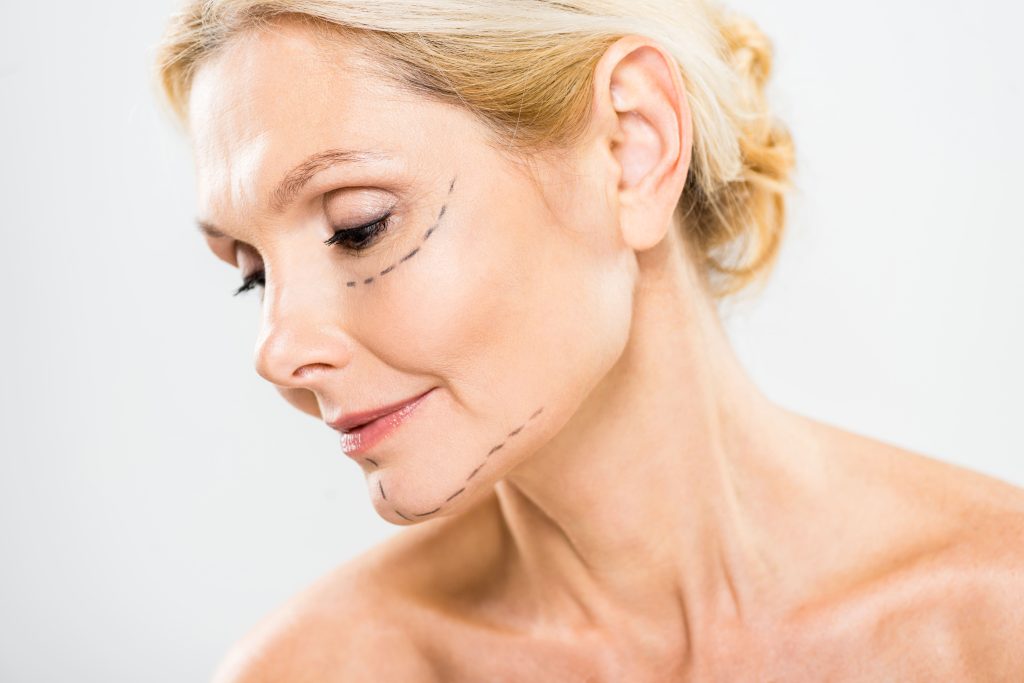
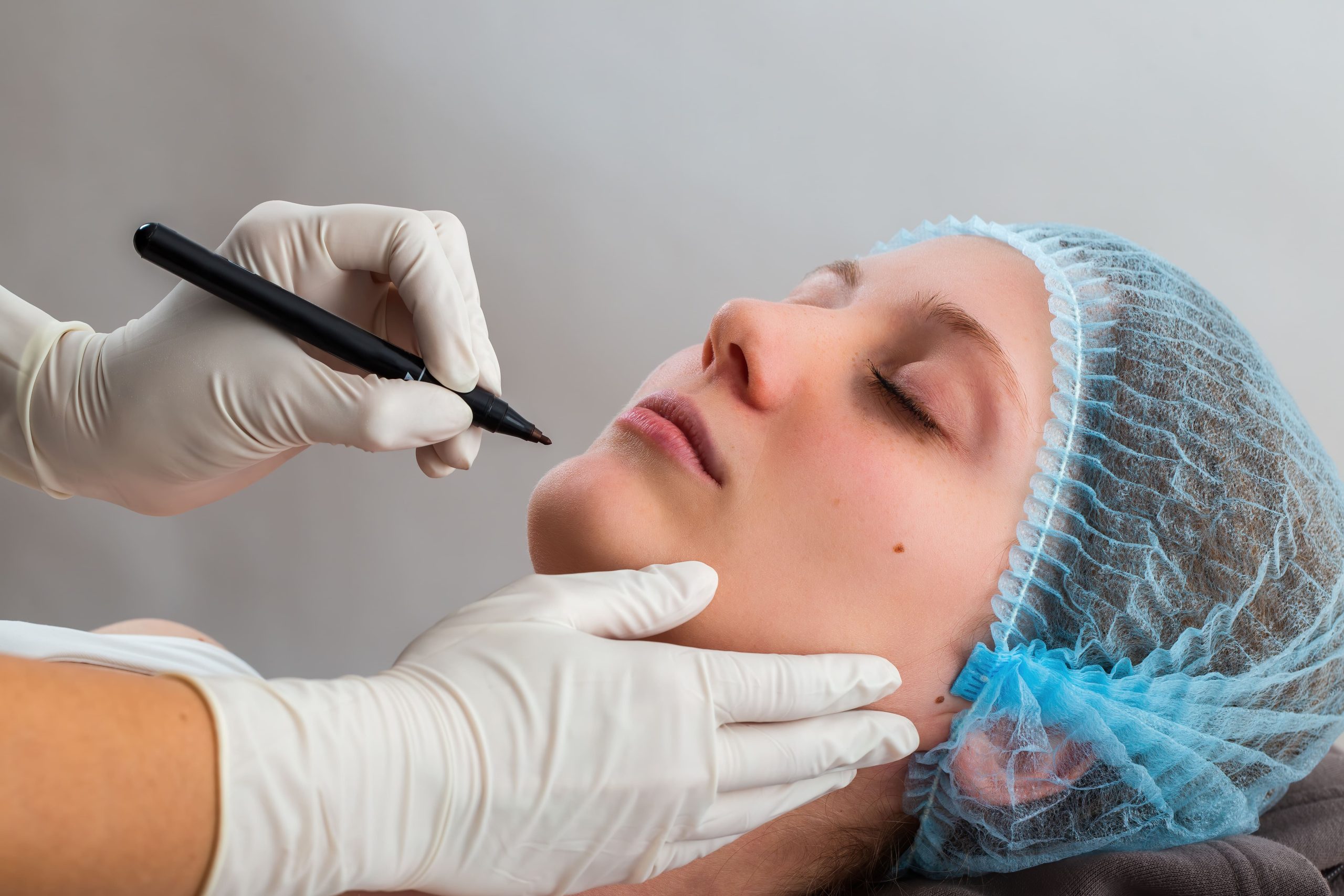
A facelift is one of the techniques that works to tighten sagging skin and get rid of fine lines and wrinkles. This technique depends on tightening the facial tissues and redistributing fat. It is done by making a small incision in the skin, lifting the facial tissues and removing the sagging skin. After that, it is re-installed. Tissue and skin tightening, sometimes this process includes reshaping the jaws and neck.
The patient needs a recovery period after this operation, as he must avoid exposure to direct sunlight and severe facial movements during the recovery period. The recovery period from a facelift can take about 2-3 weeks, and varies depending on the patient’s condition and the type of operation that was performed.
Before the operation, the patient must also stop smoking, and the patient must do some tests and analyses, and you must also tell the doctor about the medications that you are taking constantly, because some medications interfere with the operation. If you suffer from any chronic diseases, you must also tell the doctor, There are several facelift techniques, and the appropriate technique will be chosen according to the patient's condition.
Can make-up be used after the procedure?
When it is possible to use makeup after a facelift is usually determined by the treating surgeon, and although the use of makeup after the operation is not prohibited at all, one must be careful and follow some guidelines and recommendations.
It is usually recommended to avoid using makeup in the first period after the operation, in order to allow the skin to fully heal and recover. The patient must follow the instructions of the treating surgeon after the operation, and wait until the stitches are removed and the swelling, swelling and bruising are reduced.
After that, makeup can be used with caution. You should avoid using heavy makeup and putting pressure on the skin, and you should use cosmetics that are light on the skin and easily absorbed by the skin. Makeup can be used to cover bruises and dark colors on the face, but you should avoid applying makeup to wounds or Scars.
The patient must be patient and follow the instructions and recommendations for the facelift procedure and the use of makeup after the operation. He must also be careful to clean the face gently and use cosmetics that maintain skin moisture and help get rid of dryness and cracks.
Necessary examinations before facelift
blood test
The blood is analyzed to ensure that there are no health problems such as iron deficiency, high blood pressure, or problems with liver and kidney functions.
Heart examination
A heart examination, such as an ECG, may be performed to check the health of the heart and determine if the procedure is safe for the patient.
Respiratory examination
Breathing tests, such as lung function tests, may be performed to check the health of the respiratory system and determine if the procedure is safe for the patient.
Dental examination
A visit to the dentist may be made to determine if there are any health problems with the teeth and gums.
Examination of the ear, nose and throat
The ear, nose, and throat may be examined to determine if there are any health problems in these areas.
eye check
An eye examination may be performed to determine if there are any health problems with the eyes.
Tips after a facelift
You should be careful about rest and relaxation in the first days after the operation, and avoid any strenuous or stressful activity that could affect healing. You can use ice to reduce puffiness and swelling, and ice should be applied to the face regularly and for short periods.
You should avoid exposure to direct sunlight and use sunscreen to protect the skin. Eat healthy foods rich in vitamins, minerals and proteins to facilitate healing and promote general health.
Smoking and products containing nicotine should be avoided, as it can affect the healing process. You should follow the instructions of the treating surgeon, take care of the wounds, take prescribed medications, and perform the necessary tests.
Also avoid strong pressure or strong movements on the face during the healing period. Take care to gently cleanse the face and moisturize it using appropriate cosmetics, and avoid using products that may cause skin irritation.
Face lift techniques
Traditional facelift
This technique involves removing excess skin and tightening facial tissue, muscles and fatty tissue. The operation is usually performed under general anesthesia and takes several hours and involves extending the wound from the ears to the hair. The healing period takes about 2-3 weeks.
Laser face lift
The laser is used to heat tissues in the face and stimulate collagen production, which helps tighten the skin and improve its elasticity. This technique is considered less invasive and less complicated than a traditional facelift, and the recovery period takes about 1-2 weeks.
Ultrasound face lift
This technique uses ultrasound to stimulate collagen production and improve skin elasticity. The treatment is usually performed in a dermatology clinic or your physician's office and takes about 30-90 minutes. This treatment does not require a long recovery period.
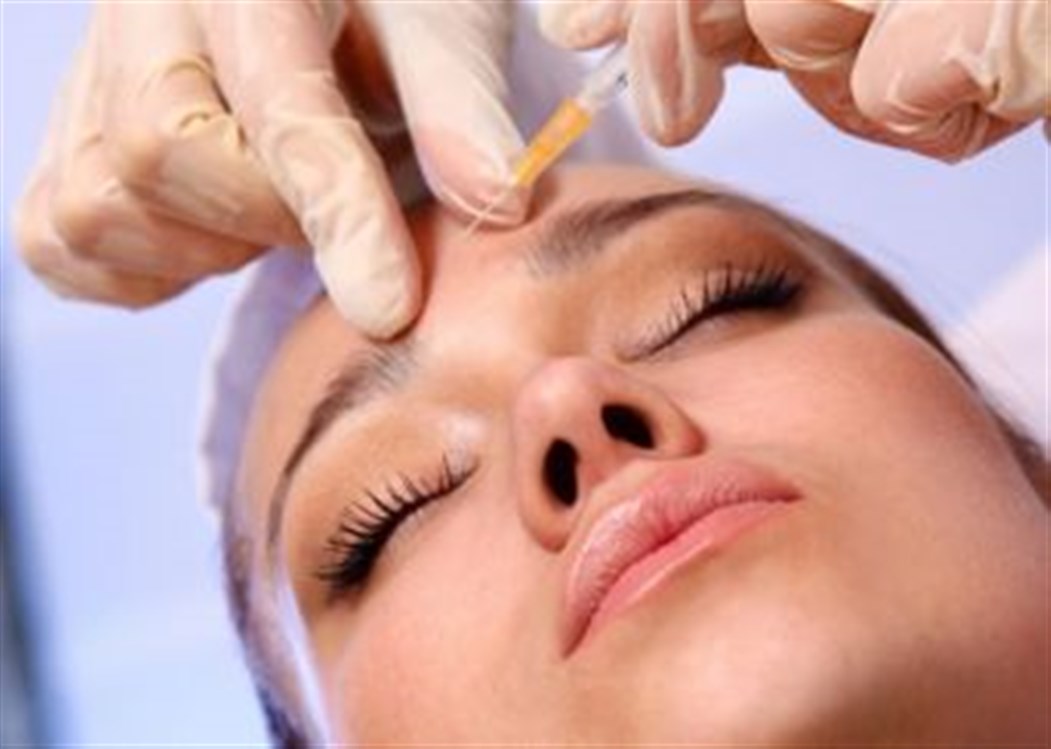
There are also other facelift methods such as Botox injections, hyaluronic acid injections and fat injections, which are used to improve the appearance of the skin and lift the face.
Side effects of facelift surgery
The patient may feel pain and swelling in the face, neck and ears after the procedure. The pain can be relieved by taking medications prescribed by the doctor. The wound created during a facelift may leave a small scar, but these scars usually disappear after a period of time.
The sensation of heat and cold in the face can change due to changes in the nerves surrounding the wound.
The patient may suffer from redness and bruising in the face, neck, and ears after the operation, and these symptoms usually disappear over time. A change in skin color, skin peeling, or dryness may occur. Inflammation of the wound may occur, but this can be avoided by keeping the wound clean.
Sometimes the patient is exposed to damage to the nerves surrounding the wound, but this rarely happens. The expected results may not be achieved as desired, and the patient may need to undergo another operation to improve the results.
What measures can be taken to reduce side effects?
Follow medical instructions
The patient must follow the instructions of the treating physician after treatment, and take the medications prescribed by the doctor precisely.
Avoid smoking
The patient should avoid smoking because it can increase the risk of infection and delay wound healing.
Rest and relaxation
The patient should maintain rest and relaxation after treatment and avoid strenuous activities and intense exercise.
Apply ice
An ice pack can be applied to the wound area to reduce swelling and pain.
Avoid exposure to sunlight
The patient should avoid exposure to direct sunlight and use sunscreen before leaving the house.
healthy food
The patient should eat healthy, balanced meals and drink plenty of water to promote the healing process.
Do light exercise
The patient can start doing light exercises after a period of time after treatment, but must be careful and avoid vigorous movements and heavy exercises.
Keep the wound clean
The patient must keep the wound clean and avoid touching it with unclean hands.